
For businesses or nonprofits – Getting started with key storytelling terms

The fundamentals of great storytelling start with the key terms below. Some of them are basics like character and plot that everybody knows. Others are a bit trickier to pick up on like rhythm or rising action in a story. Even though they make simple, in practice they become complex, powerful tools for expressing and communicating the message we want to our audience. If we find the right mix of storytelling ingredients, we can create a memorable story that people connect with.
Essential Storytelling Terms
Character
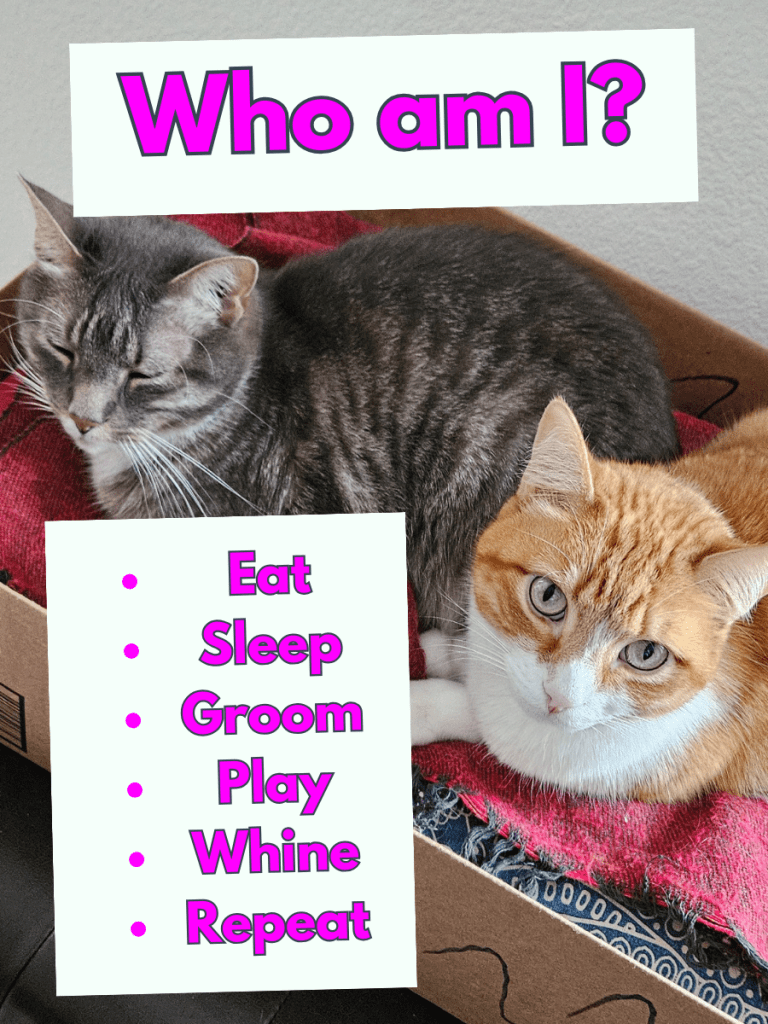
A person or the people in a story. Stories have main characters, supporting characters and antagonists (villains or people who work against the main character). Characters allow us as the audience to empathize and relate to people, easing our immersion into a new world.
Theme
The topic or main message the story communicates to the audience.
Plot
What happens in the story. The events and actions that lead the main character from point A at the start to point B at the end.
Setting
The where and when of the story.
Narrator

Who’s telling the story? Is it
- 1st person – Me, “I” language highlighting a personal brand.
- 2nd person – Using “you” language, speaking directly to customers or donors.
- 3rd person – Talking about an organization or business.
Hook
The first impression. This could be the first frame of a video, or those first words that catch the audience’s attention. There’s something out of the box, out of the ordinary that leaves them wanting more.
Conflict
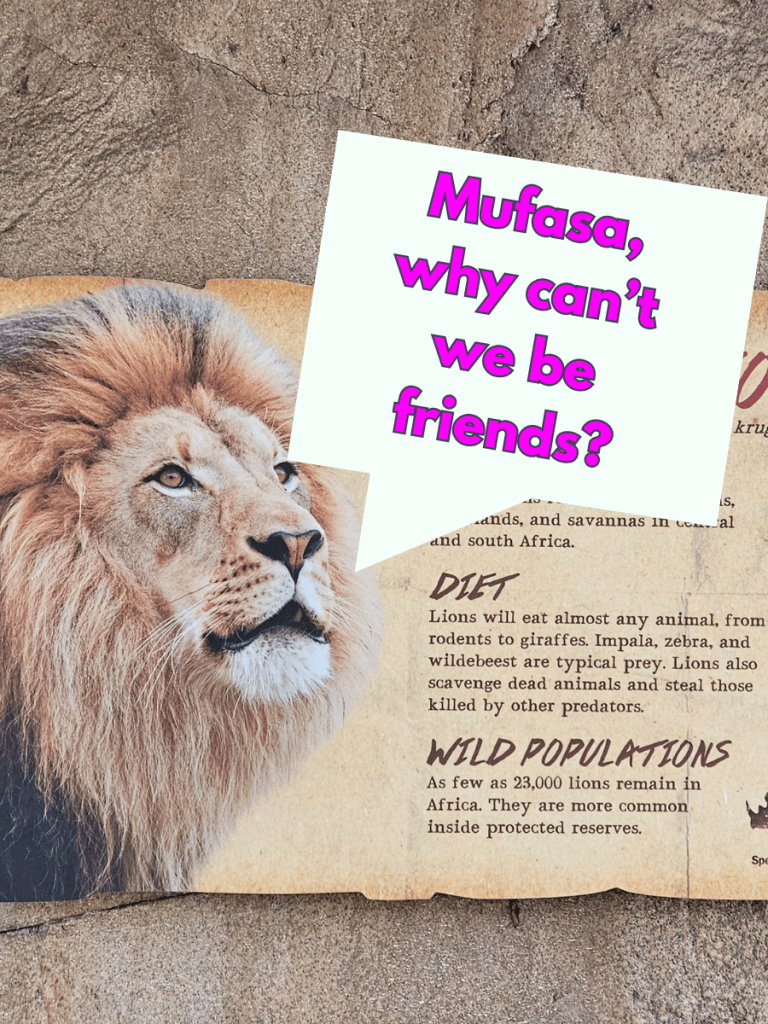
The problem the main character faces in their story. How do they react to this problem? Are they able to find a solution? How does the character grow from their conflict?
Rising Action
The action and events of the main character after the conflict is introduced. This is the middle of the story.
Climax
The dramatic moment in the story where the conflict is resolved.
Resolution
The conclusion of the story. How has the character changed? We can share a CTA here, and at the beginning.
Tone
The personality and attitude of a story. This is the feeling we get from reading or watching a story.
Rhythm
How the story sounds through its language. This can be essential to the pace and mood of the story.

Curious about getting support for your content?

 MP Storytelling LLC